






By mindnesto Editorial Team · Updated October 2026 · 10 min read
Sources include the American Psychological Association, UpToDate, the American Academy of Sleep Medicine, PubMed Central, ScienceDirect and Frontiers in Sleep.
You wake with your heart pounding. The dream felt completely real. Now you are lying in the dark, afraid to close your eyes again.
Most adults have a bad dream now and then. Recurring nightmares in adults are different. They return night after night, they drain your sleep, and they can shadow your whole day.
Here is the reassuring part. Nightmares in adults are well understood, and they are treatable. One approach, Image Rehearsal Therapy, is recommended as a first-line treatment by sleep specialists.
This guide explains what drives nightmares, which causes are easy to miss, and what actually helps. It also sits within our wider guide to sleep problems in adults.
⚠️ Medical Disclaimer: This article is for information only. It does not replace advice from your GP or a qualified mental health professional. Never stop or change a medication without speaking to your prescriber first.
What Are Nightmares in Adults?
Nightmares are vivid, distressing dreams that usually wake you from sleep, most often from REM sleep. Nightmare disorder is diagnosed when they recur often enough, and cause enough distress, to disrupt your sleep or daytime functioning. Common triggers include stress, trauma, depression, anxiety, and certain medications.
An occasional nightmare is a normal part of human sleep. Nightmare disorder is a recognised sleep condition. The difference lies in frequency, distress, and impact.
A 2026 population study published in Frontiers in Sleep put lifetime nightmare prevalence at around 47%. Nightmares showed the strongest link to anxiety scores among the parasomnias studied. In other words, nightmares are common, and they travel closely with anxiety.
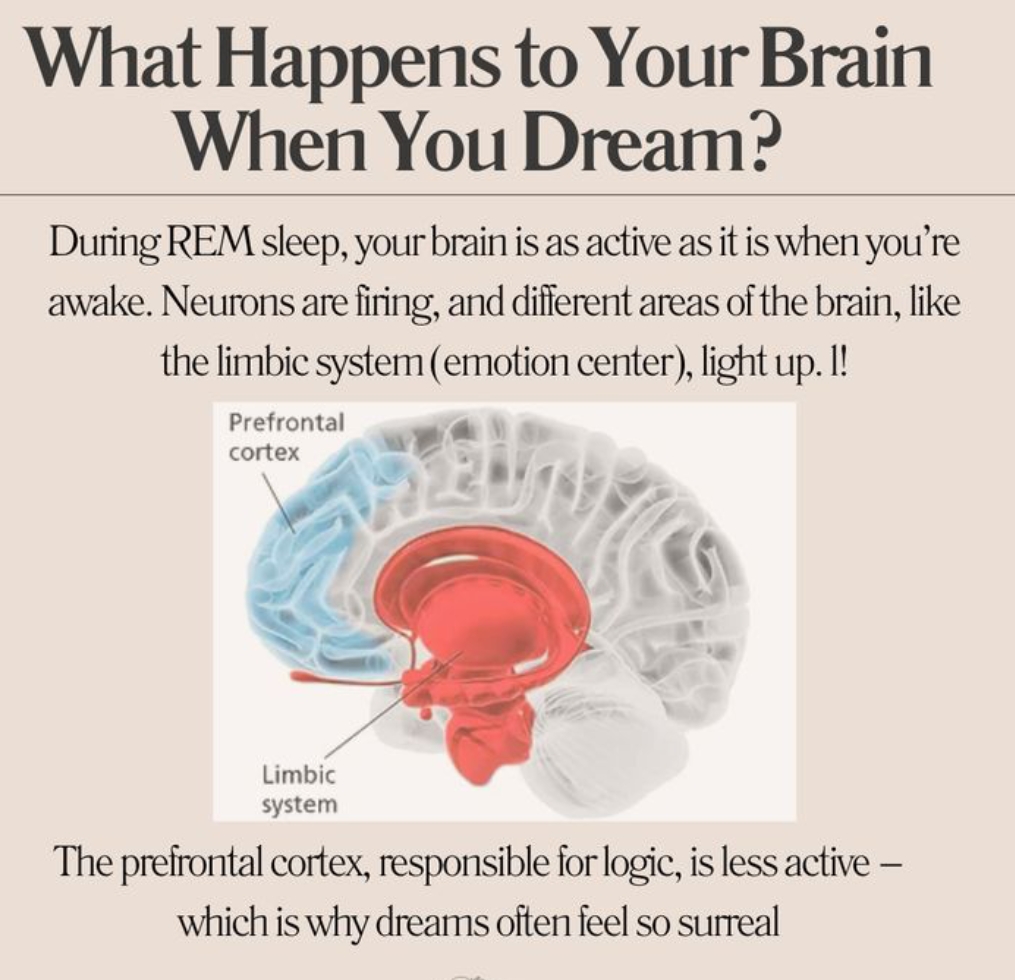
Why Nightmares in Adults Happen: The Neuroscience
Nightmares are not random. They follow predictable brain patterns.
REM Sleep and the Emotional Brain
Most nightmares arise in REM sleep. This is the stage when your brain processes emotional memories. The amygdala, your brain’s threat detector, is highly active during REM.
Normally, the stress chemical noradrenaline drops to very low levels in REM. This quiet chemical state lets the brain replay emotional memories safely. As a result, the memory loses its sting.
When Noradrenaline Stays High
In people with trauma or chronic hyperarousal, noradrenaline stays elevated during sleep. The brain then replays threatening material while its alarm system is still switched on. The dream feels terrifying instead of being quietly processed.
This mechanism explains why the drug prazosin was tried for trauma nightmares. Prazosin blunts noradrenaline activity. It also explains why calming the nervous system matters so much for treatment.
A Vicious Circle With PTSD
Research suggests nightmares can help keep PTSD going. Disturbed sleep keeps the nervous system on alert. That alertness then fuels more trauma symptoms and more nightmares.
The encouraging reverse is also true. Treating chronic nightmares with cognitive behavioural approaches can reduce wider PTSD symptoms. Sleep specialists increasingly see nightmare treatment as a doorway to recovery, not a side issue.
Common Causes of Nightmares in Adults
Nightmares rarely have one cause. Look through this list for the ones that fit you.
1. Stress and Anxiety
Daily stress raises arousal at night. High anxiety makes the brain more reactive during REM. Our stress management guide covers practical ways to lower that load.
2. Trauma and PTSD
Trauma-related nightmares are the best-studied type. They often replay or echo the traumatic event. Sleep Foundation figures suggest roughly 80% of people with PTSD experience nightmares.
3. Depression
Depression changes REM sleep patterns and mood-related dream content. Nightmares can also worsen low mood. Read more in our guide to depression and sleep.
4. Medication Side Effects
Some medicines can trigger vivid dreams or nightmares. A 2026 case report described nightmares linked to beta-blockers used for migraine. The nightmares resolved after the drug was stopped.
This is a single case report, so it shows a possibility, not a rule. Still, it shows why a medication review matters. Speak to your prescriber before changing anything.
5. Alcohol and Substances
Alcohol can suppress REM sleep early in the night. When it wears off, REM often rebounds, bringing vivid and disturbing dreams. Withdrawal from alcohol or sedatives can do the same.
6. Sleep Deprivation and Irregular Schedules
Missed sleep builds up REM pressure. Your next night then holds more intense REM sleep. Strong REM often means stronger dreams.
7. Other Mental Health Conditions
Clinicians link recurring nightmares to dissociative disorders, borderline personality disorder, and other psychiatric conditions. Treating the underlying condition often lowers nightmare frequency.
Nightmares and Insomnia
Nightmares and insomnia feed each other. Fear of nightmares makes people dread bedtime. That dread raises arousal and delays sleep.
Many people respond by avoiding sleep altogether. Unfortunately, this builds REM pressure and can make nightmares stronger. Gentle, consistent routines work better, as our sleep hygiene guide explains.
Treatments for Nightmares in Adults That Work
Treatment depends on the cause. The evidence points clearly to therapy first.
Image Rehearsal Therapy (IRT): The First-Line Treatment
The American Academy of Sleep Medicine recommends IRT for PTSD-related nightmares and nightmare disorder. A recent clinical review also calls it the first-line treatment for nightmare disorder.
IRT works in three steps. First, you choose a recurring nightmare. Second, you rewrite it with a new ending, any ending you like. Third, you rehearse the new version in your imagination for a few minutes each day.
A meta-analysis of IRT for post-traumatic nightmares found small to moderate benefits. These covered nightmare frequency, sleep quality, and PTSD symptoms. Researchers note it also helps non-trauma nightmares, which often repeat familiar themes.
Exposure, Relaxation and Rescripting Therapy (ERRT)
ERRT was built for trauma-related nightmares. It builds on IRT by adding education, relaxation training, sleep habit changes, and carefully controlled exposure to nightmare content. A trained therapist should guide this approach.
EMDR for Trauma-Linked Nightmares
When nightmares sit alongside PTSD, EMDR may be an additional option. A specialist can advise whether it suits you.
Medication: A Supporting Role
Prazosin is the most studied drug for PTSD nightmares. Results are mixed, and nightmares often return when it stops. Clinicians generally treat medication as a later option or as an add-on to therapy.
Technology: NightWare
NightWare is a prescription smartwatch app. It received an FDA Breakthrough Device designation for nightmares in adults with PTSD. A US Veterans Affairs trial is studying its effects, with completion expected in 2026. Treat it as promising, not yet proven.
Treat the Underlying Condition
Nightmares often ease when anxiety, depression, or PTSD is treated well. Therefore, mental health care is often the most effective nightmare treatment. Our anxiety journaling prompts offer a useful starting tool.
A Simple Self-Help Rescripting Exercise
This exercise draws on IRT principles. It suits everyday nightmares but is not a substitute for therapy after trauma.
- Choose a milder nightmare. Avoid your most frightening one at first.
- Write it down briefly. Use present tense and a few lines.
- Change the ending. Make it safe, strange, or even funny.
- Rehearse the new version. Spend five to ten minutes daily, ideally in the evening.
- Stay consistent for two to three weeks. Then notice whether the original dream fades.
Stop if the exercise makes you more distressed. Seek professional support instead.
Everyday Habits That Reduce Nightmares
- Keep a steady sleep schedule. Regular timing prevents REM pressure from building.
- Limit alcohol near bedtime. It can trigger REM rebound later in the night.
- Write worries down early evening. This lowers arousal before sleep.
- Wind down for an hour. Dim lights and avoid disturbing content.
- Ask about your medications. Review timing and side effects with your prescriber.
When to Seek Professional Help
Contact your GP or a mental health professional if:
- Nightmares happen weekly or more and last over a month
- You avoid sleep because you fear them
- They follow a traumatic event
- They began after starting a new medication
- Daytime mood, focus, or relationships are suffering
Nightmares and Suicidal Thoughts
Research links frequent nightmares with suicidal thoughts. This does not mean nightmares cause them. It means persistent nightmares deserve to be taken seriously.
If you are having thoughts of ending your life, please reach out now. You deserve support, and help is available.
- UK: Samaritans, call 116 123 (free, 24/7)
- USA and Canada: call or text 988
- Australia: Lifeline, call 13 11 14
Nightmares in Adults: Key Takeaways
- Nightmare disorder means recurring nightmares that disrupt sleep or daily life
- Most nightmares arise in REM sleep, when the emotional brain is highly active
- Elevated noradrenaline during sleep helps explain trauma-related nightmares
- Common causes include stress, trauma, depression, anxiety, alcohol, and some medications
- Image Rehearsal Therapy is a first-line treatment recommended by the AASM
- Medication plays a supporting role, and nightmares often return after stopping prazosin
- Treating anxiety, depression, or PTSD often reduces nightmares
- Persistent nightmares linked to suicidal thoughts need urgent support
A Word From mindnesto
Nightmares can make bedtime feel frightening. That fear is real, and it is not a sign of weakness.
The science brings genuine hope. Your brain can learn new endings, and effective therapies exist. Reaching out for help is a strong, practical step. 💙
→ Read next: Sleep Problems in Adults: The Complete Guide
→ Also read: Depression and Sleep
Frequently Asked Questions
Why do I keep having nightmares as an adult?
Recurring nightmares usually reflect stress, anxiety, trauma, depression, alcohol use, sleep loss, or medication side effects. Your brain may be replaying emotional material while still on high alert. Identifying the trigger is the first step toward stopping them.
What is nightmare disorder?
Nightmare disorder means frequent, distressing nightmares that disrupt your sleep or daytime life. It differs from an occasional bad dream. It is a recognised and treatable sleep condition.
How do you stop recurring nightmares?
Image Rehearsal Therapy is the first-line treatment. You rewrite the nightmare with a new ending and rehearse it daily. Treating underlying anxiety, depression, or PTSD also helps.
Can medication cause nightmares?
Yes, some medicines can cause vivid dreams or nightmares, including certain beta-blockers. Never stop a medicine on your own. Ask your prescriber about alternatives.
Do PTSD nightmares go away?
Often they improve with treatment. Therapies such as IRT and ERRT can reduce them, and treating nightmares can ease wider PTSD symptoms. Medication alone may not give lasting relief.
Where to Get Help
- UK: NHS Talking Therapies | NHS PTSD information
- USA: National Center for PTSD | ADAA
- Canada: CAMH
- Australia: Phoenix Australia | Beyond Blue
Sources and External References
- APA Monitor: Nightmares in Adults and Science-Backed Therapies
- UpToDate: Nightmares and Nightmare Disorder in Adults
- ScienceDirect: Dreams and Nightmares, Clinical Aspects and Management
- ScienceDirect: Trauma-Related Nightmares, Integrative Review
- PMC: Psychosocial Treatments for Nightmares, Systematic Review
- PMC: Beta-Blockers and Nightmares, 2026 Case Report
- ClinicalTrials.gov: NightWare Veterans Study
- Frontiers in Sleep: Parasomnia Prevalence, 2026
- Sleep Foundation: Sleep Statistics 2026
- AASM Sleep Education
- NHS Talking Therapies