






By Mindnesto Editorial Team · Updated June 2026 · 10 min read
Reviewed for medical accuracy — sources cited from NHS, CDC, Harvard Medical School and peer-reviewed sleep research
Sleep optimization is one of the most powerful and most overlooked tools for mental health, emotional resilience, and daily performance. When you truly optimize your sleep — not just spend more hours in bed, but genuinely improve sleep quality, timing, and depth — almost every other area of your life improves alongside it. Yet despite its importance, most people never receive meaningful guidance about what sleep optimization actually involves or why it works so profoundly.
This guide changes that completely. Drawing on research from UC Berkeley, Harvard Medical School, Stanford University, the NHS and the CDC, it gives you 12 specific, evidence-based sleep optimization strategies that will transform how you sleep — starting tonight.
Before diving in, it is worth understanding one crucial fact. Dr. Matthew Walker of UC Berkeley — the world’s leading sleep scientist and author of Why We Sleep — states clearly: “Sleep is the single most effective thing we can do to reset our brain and body health each day.” That is not a motivational slogan. It is a conclusion drawn from decades of rigorous neurobiological research on sleep optimization and its effects on human functioning.
We have also connected this guide to our posts on science-backed ways to calm anxiety without medication and burnout prevention strategies — because sleep optimization, anxiety management, and burnout recovery are so deeply interconnected that improving one consistently improves the others.
⚠️ Medical Disclaimer: This article is for informational and educational purposes only. It is not a substitute for professional medical advice. If you experience persistent insomnia or sleep disorders, please consult your GP or a qualified sleep medicine specialist.
Why Sleep Optimization Matters More Than Almost Anything Else You Do
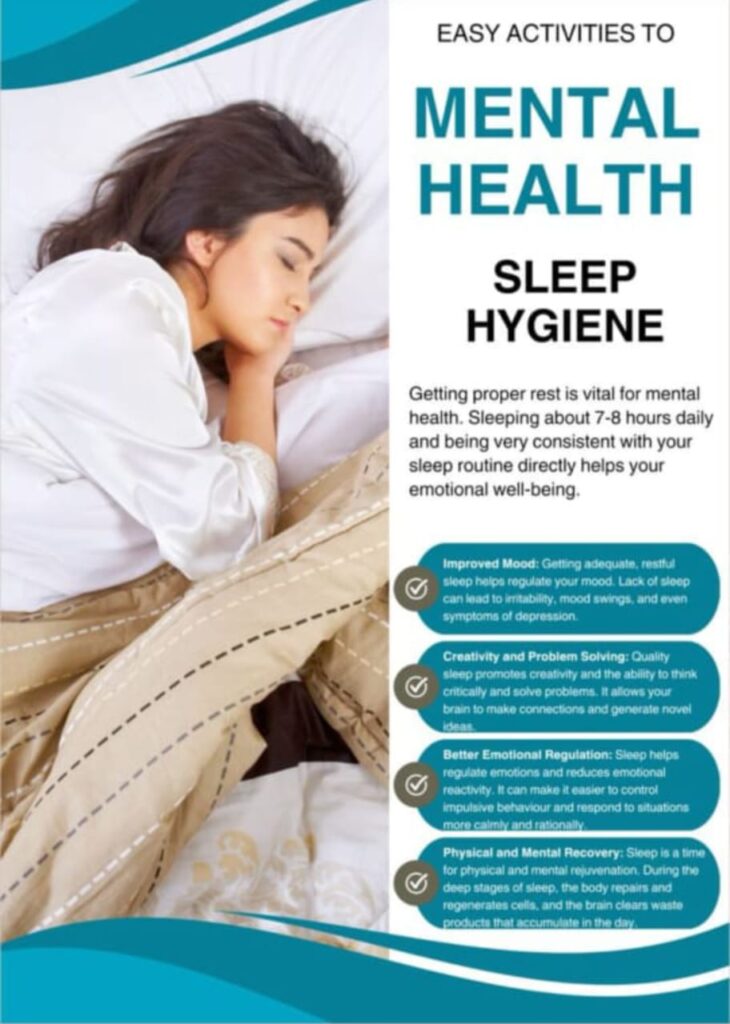
Sleep optimization is not simply about feeling less tired. It is about restoring the biological systems that govern your mood, anxiety, cognitive performance, immune function, and emotional resilience — systems that cannot recover through any other means.
During slow wave sleep (SWS) — the deep, restorative phase targeted by sleep optimization — your brain activates the glymphatic system. This waste-clearance network flushes toxic metabolic byproducts from brain tissue. Notably, one of the primary substances cleared is amyloid-beta — the protein most strongly associated with Alzheimer’s disease.
Furthermore, slow wave sleep consolidates declarative memories — transferring information from short-term to long-term storage. Consequently, even a single night of poor sleep measurably impairs learning capacity, problem-solving ability, and creative thinking the following day.
The Role of REM Sleep in Emotional Health
Rapid eye movement (REM) sleep plays an equally critical but entirely different role in sleep optimization. Specifically, research by Dr. Matthew Walker demonstrates that REM sleep is the primary phase in which your brain processes emotional memories. During this phase, the brain effectively strips the emotional charge from difficult experiences while retaining their informational content.
In practical terms, insufficient REM sleep leaves you emotionally reactive, less resilient to stress, and significantly more vulnerable to anxiety and depression. This is precisely why sleep optimization is a central pillar of mental health recovery — not a secondary consideration.
What Sleep Deprivation Does to Your Mental Health
Research published in JAMA Internal Medicine found that adults sleeping fewer than 6 hours per night were significantly more likely to experience clinical anxiety, depression, and burnout. Moreover, Dr. Walker’s neuroimaging research revealed that sleep-deprived individuals show a 60% increase in amygdala reactivity — meaning the brain’s threat-detection system becomes dramatically more sensitive after poor sleep.
As a direct result, poor sleep lowers your emotional resilience and stress tolerance every single day — creating a self-reinforcing cycle of anxiety and sleeplessness that only deliberate sleep optimization can break.
Understanding Your Sleep Systems — The Foundation of Effective Sleep Optimization
Effective sleep optimization requires understanding how sleep actually works. Many common mistakes make complete sense once you understand the biology they are disrupting.
The Two Systems That Control Your Sleep
Your sleep is regulated by two independent biological systems operating simultaneously.
System 1 — Sleep Pressure (Adenosine): Throughout your waking day, a chemical called adenosine accumulates in your brain. The longer you stay awake, the more adenosine builds up, creating increasing pressure to sleep. Caffeine masks this pressure by blocking adenosine receptors — but it does not reduce the underlying sleep debt.
System 2 — Circadian Rhythm: Your circadian rhythm is a roughly 24-hour internal biological clock governed primarily by light exposure. It determines the timing of your sleep and wake cycles by orchestrating the release of melatonin — the hormone that signals to your body it is time to sleep.
When these two systems align — when adenosine has built up sufficiently and your circadian rhythm signals sleep simultaneously — sleep comes easily, deeply, and restoratively. When they misalign through irregular schedules, artificial light, or caffeine, sleep becomes fragmented and unrestorative.
Understanding Your Chronotype for Better Sleep Optimization
Dr. Till Roenneberg of Ludwig Maximilian University Munich demonstrated that individual sleep timing preferences — called chronotypes — are substantially determined by genetics. About 25% of people are genuine morning types, 25% are genuine evening types, and the remaining 50% fall somewhere in between.
Importantly, forcing an evening chronotype to maintain an early morning schedule produces what Dr. Roenneberg calls social jet lag — a chronic misalignment between biological and social sleep timing with measurable consequences for mental and physical health. Understanding your chronotype, therefore, allows you to optimise your sleep schedule with your biology rather than against it.
12 Science-Backed Sleep Optimization Strategies
1.Fix Your Wake Time First — The Anchor of Sleep Optimization
Counterintuitively, the most powerful anchor in any sleep optimization plan is not your bedtime — it is your wake time. When you wake at a consistent time every day, including weekends, you anchor your circadian rhythm, regulate your adenosine build-up schedule, and ensure melatonin release occurs at the right time each evening.
Dr. Andrew Huberman of Stanford University consistently emphasises that a fixed daily wake time is the single most impactful sleep optimization intervention available — more effective than any supplement, sleep aid, or pre-sleep routine.
To implement this successfully:
- Set a fixed wake time you can maintain 7 days per week without exception
- Use a traditional alarm clock rather than your phone to avoid early morning digital activation
- Never sleep more than one additional hour on weekends — more than this begins disrupting your circadian anchor significantly
2.Get Morning Sunlight Within 30 Minutes of Waking
This sleep optimization strategy costs absolutely nothing — yet it produces remarkable results. Exposing your eyes to natural outdoor light within 30 minutes of waking delivers a powerful circadian signal that anchors your biological clock and sets the timer for melatonin release approximately 12–14 hours later.
Research from Dr. Charles Czeisler of Harvard Medical School confirms that morning light exposure is the most powerful zeitgeber — meaning time-giver — available for synchronising the human circadian rhythm.
To apply this immediately:
- Step outside for 5–10 minutes of natural light exposure within 30 minutes of waking daily
- On overcast days, still go outside — cloud-filtered light provides significantly more circadian signal than indoor lighting
- If waking before sunrise, use a 10,000 lux bright light therapy lamp directed at your face
- Avoid wearing sunglasses during morning light exposure — the signal needs to reach your retinal photoreceptors directly
3.Implement a Daily Digital Sunset for Sleep Optimization
Evening screen exposure disrupts sleep optimization through two distinct mechanisms — blue light suppression of melatonin and mental arousal from stimulating digital content. Research from Harvard Medical School found that blue light exposure in the evening suppresses melatonin production by up to 50% and delays melatonin release timing by up to 3 hours.
To protect your sleep optimization progress:
- Power down all screens at least 60–90 minutes before your target sleep time every night
- If evening screen use is unavoidable, wear blue-light blocking glasses — research in Frontiers in Neuroscience confirms they meaningfully reduce melatonin suppression
- Switch your phone display to Night Mode after sunset at minimum
- Replace evening screens with reading a physical book, gentle stretching, or journaling instead
4.Optimise Your Sleep Environment Completely
Your sleep environment sends powerful signals to your nervous system about whether it is safe to enter deep, vulnerable sleep. Optimising that environment is therefore a high-impact, one-time investment in every night of sleep that follows.
Temperature is the single most important environmental variable for sleep optimization. Your core body temperature needs to drop by 1–3°C to initiate and maintain sleep effectively. The NHS and multiple sleep research institutions recommend a bedroom temperature of 16–19°C (60–67°F).
Darkness is equally critical. Even small amounts of light from street lamps, phone charging indicators, or clock displays can suppress melatonin and fragment sleep architecture. Research published in Journal of Clinical Sleep Medicine found that sleeping in complete darkness significantly improved sleep depth and morning alertness.
Sound management matters too. Intermittent unpredictable noise disrupts sleep more than consistent background sound. Where complete silence is unavailable, pink noise — which research in Sleep Medicine Reviews found enhanced slow wave sleep depth — can mask disruptive intermittent sounds effectively.
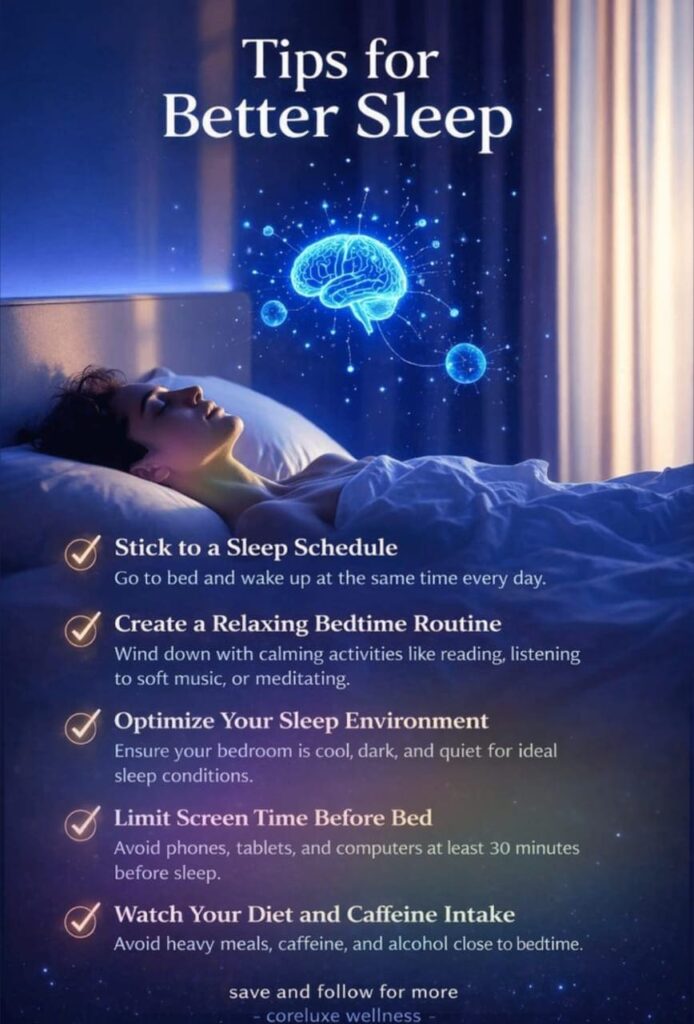
5.Build a Consistent Pre-Sleep Wind-Down Routine
Your nervous system cannot transition instantly from full activation to deep sleep. It requires a graduated wind-down period — a consistent routine that signals safety and decreasing arousal to your brain and body simultaneously.
Dr. Jade Wu of Duke University Medical Center recommends a 60-minute wind-down routine that progressively reduces both physical and mental activation. Research supports the finding that consistent pre-sleep routines improve sleep onset time, sleep depth, and subjective sleep quality measurably.
An evidence-based wind-down routine looks like this:
- 60 minutes before bed: Turn off all screens and dim household lighting
- 45 minutes before bed: Take a warm bath or shower — the subsequent core temperature drop accelerates sleep onset
- 30 minutes before bed: Light reading of a physical book, gentle stretching, or journaling
- 15 minutes before bed: Breathing exercises — the 4-7-8 method or box breathing activates your parasympathetic nervous system directly
- Bedtime: A cool, dark, quiet bedroom ready and waiting
6.Manage Caffeine Precisely for Sleep Optimization
Because caffeine blocks adenosine receptors, it directly masks the sleep pressure your brain needs to initiate and maintain deep sleep. Critically, caffeine has a half-life of 5–7 hours — meaning a 2pm coffee still has half its original caffeine active in your system at 8–9pm.
Research published in Journal of Clinical Sleep Medicine found that caffeine consumed 6 hours before bedtime measurably reduced total sleep time and sleep quality — even when participants reported feeling completely unaffected by it.
To protect your sleep optimization consistently:
- Set a hard caffeine cutoff at 12–1pm daily without exception
- Cap total daily caffeine at 200mg — roughly 1–2 cups of coffee
- Replace afternoon caffeine with a 10–20 minute nap before 3pm when energy dips occur
- Watch for hidden caffeine in tea, dark chocolate, energy drinks, and certain medications
7.Eliminate Alcohol to Protect Sleep Quality
Alcohol is one of the most widely misunderstood threats to sleep optimization. While it reliably helps people fall asleep faster, it profoundly disrupts sleep quality throughout the entire night.
Specifically, alcohol fragments REM sleep — the phase most critical for emotional processing and mental health — and produces a cortisol rebound in the second half of the night. This rebound causes early waking and prevents return to restorative deep sleep.
Research published in JAMA Internal Medicine found that even moderate alcohol consumption of 1–2 drinks reduced REM sleep by up to 40% on the nights it was consumed. To protect your sleep optimization:
- Allow a minimum of 3 hours between your last drink and bedtime
- Introduce at least 3–4 alcohol-free nights per week to allow sleep architecture to normalise
- Record your sleep quality on alcohol-free nights — the contrast is typically dramatic and highly motivating
8.Exercise Strategically for Sleep Optimization
Regular physical exercise is one of the most consistently beneficial sleep optimization interventions available. However, the timing of exercise matters significantly for sleep quality outcomes.
Research published in Journal of Sleep Research found that moderate aerobic exercise performed in the morning or early afternoon improved sleep onset speed, increased slow wave sleep depth, and reduced nighttime waking. However, vigorous exercise within 2–3 hours of bedtime can delay sleep onset by raising core body temperature and cortisol simultaneously.
For optimal sleep optimization through exercise:
- Aim for 20–30 minutes of moderate aerobic exercise at least 4 times per week consistently
- Schedule vigorous workouts in the morning or early afternoon specifically
- Keep evening movement gentle — yoga, stretching, or walking rather than high-intensity training
- Combine morning exercise with outdoor light exposure for amplified circadian benefits
9.Try CBT-I — The Gold Standard Sleep Optimization Treatment
For people experiencing persistent insomnia — difficulty falling or staying asleep at least 3 nights per week for more than 3 months — Cognitive Behavioural Therapy for Insomnia (CBT-I) is the gold standard treatment recommended by both the NHS and the American College of Physicians.
Research published in Sleep Medicine Reviews found that CBT-I produced superior long-term sleep optimization outcomes compared to sleep medication — with benefits persisting at 12-month follow-up without dependency risks.
Access CBT-I in your country:
- UK: NHS Talking Therapies — free CBT including sleep-focused therapy
- USA: ADAA Therapist Finder — search specifically for CBT-I specialists
- Canada: CAMH — sleep and mental health resources
- Australia: Beyond Blue — sleep and mental health support
10.Use Evidence-Based Supplements to Support Sleep Optimization
While no supplement replaces good sleep hygiene, several have meaningful research support for specific sleep challenges. Always consult your GP before starting any supplement — particularly if you take other medications.
| Supplement | Evidence Level | Recommended Dose | Best Used For |
|---|---|---|---|
| Magnesium Glycinate | Strong — Nutrients Journal | 200–400mg before bed | Anxiety-driven sleeplessness |
| Melatonin | Strong — circadian timing | 0.5–1mg, 60–90 mins before bed | Circadian adjustment, jet lag |
| L-Theanine | Moderate | 100–200mg before bed | Relaxation without sedation |
| Ashwagandha | Moderate | 300–600mg daily | Cortisol reduction, stress sleep disruption |
| Glycine | Emerging | 3g before bed | Core temperature reduction, sleep quality |
11.Manage Anxiety as a Direct Sleep Optimization Strategy
Because anxiety is one of the most common drivers of insomnia, directly addressing anxiety is itself a powerful sleep optimization intervention. Research published in Frontiers in Neuroscience found that individuals with well-managed anxiety consistently showed significantly better sleep architecture and faster sleep onset.
Effective anxiety-sleep strategies include:
- Scheduled worry time — designate a specific 20-minute slot earlier in the evening to write out your worries, externalising anxious thoughts before they surface at midnight
- Progressive muscle relaxation — systematically tensing and releasing muscle groups activates the parasympathetic nervous system and produces physical relaxation conducive to sleep onset
- Box breathing at bedtime — 4 counts in, 4 hold, 4 out, 4 hold — directly stimulates the vagus nerve and reduces cortisol measurably
For a comprehensive anxiety management toolkit that complements your sleep optimization practice, our guide on science-backed ways to calm anxiety without medication covers these strategies in full detail.
12.Align Your Nutrition With Your Sleep Optimization Goals
As explored in our eating habits and mental health guide, diet and sleep optimization are deeply interconnected. Several specific dietary patterns directly impact sleep quality and timing.
Evidence-based nutritional sleep optimization includes:
- Eat your last substantial meal at least 2–3 hours before bed — active digestion raises core body temperature and disrupts sleep onset
- Choose tryptophan-rich snacks if genuinely hungry close to bedtime — a small amount of turkey, warm milk, or a banana works well, as tryptophan is a serotonin and melatonin precursor
- Avoid large volumes of liquid within 2 hours of sleep to minimise disruptive nocturnal awakenings
- Include magnesium-rich foods in your evening meals — dark leafy greens, pumpkin seeds, dark chocolate — to naturally support sleep quality overnight
The Results of Consistent Sleep Optimization — What You Can Expect
When sleep optimization is applied consistently over several weeks, the changes are typically dramatic. Based on research from the National Sleep Foundation, UC Berkeley, and Harvard Medical School, you can realistically expect:
- Significantly improved mood and emotional stability as REM sleep processes emotional memories effectively
- Sharper cognitive performance — better memory consolidation, faster processing, and more creative thinking
- Reduced anxiety and stress reactivity as amygdala hyperreactivity normalises with adequate sleep
- Greater physical energy as human growth hormone released during slow wave sleep repairs body tissues
- Stronger immune function — sleep deprivation significantly impairs immune response capacity
- Improved relationship quality — better emotional regulation translates directly into more patient, empathetic daily interactions
Sleep Optimization Key Takeaways — Featured Snippet Optimised
12 science-backed sleep optimization strategies in summary:
- Fix your wake time first — a consistent daily wake time is the most powerful circadian anchor
- Get morning sunlight within 30 minutes of waking — sets your circadian clock for the entire day
- Implement a digital sunset 60–90 minutes before bed — protects melatonin and reduces mental arousal
- Optimise bedroom environment — temperature 16–19°C, complete darkness, consistent background sound
- Build a 60-minute pre-sleep wind-down routine — graduated reduction of physical and mental activation
- Set caffeine cutoff at 12–1pm daily — caffeine’s 5–7 hour half-life disrupts sleep hours after consumption
- Eliminate or limit alcohol — even moderate amounts reduce REM sleep by up to 40%
- Exercise in the morning or early afternoon — improves slow wave sleep without delaying onset
- Consider CBT-I for persistent insomnia — gold standard treatment superior to medication long-term
- Use evidence-based supplements wisely — magnesium glycinate, low-dose melatonin, L-theanine
- Address anxiety directly — scheduled worry time, progressive muscle relaxation, box breathing
- Optimise evening nutrition — last meal 2–3 hours before bed, tryptophan-rich snacks if needed
A Word From Mindnesto –
At Mindnesto, we regard sleep optimization as the single most undervalued mental health intervention available to every person. It is completely free, available every night, and capable of transforming mood, resilience, cognitive performance, and physical health when applied consistently.
The culture of treating sleep as something to sacrifice when life gets busy is not a productivity strategy. It is one of the most costly health errors modern people make — and the research proves this comprehensively.
You deserve deep, restorative sleep every single night. These sleep optimization strategies will get you there — not through willpower, but through working intelligently with the biology you already have.
We are here every step of the way. 💙
→ Read next: Eating Habits and Mental Health — How Your Diet Shapes Your Mind
→ Also read: Burnout Prevention — 12 Science-Backed Strategies
Frequently Asked Questions
What is sleep optimization?
Sleep optimization is the intentional application of evidence-based strategies to improve sleep quality, duration, timing, and architecture — so that sleep produces its maximum restorative benefits for mental health, cognitive performance, emotional regulation, and physical wellbeing.
How many hours of sleep do adults need for optimal sleep optimization?
The NHS and CDC both recommend 7–9 hours of sleep per night for adults as the target for sleep optimization. Individual needs vary within this range based on genetics, age, activity level, and health status.
Why do I wake up at 3am every night despite attempting sleep optimization?
Waking between 2am and 4am is one of the most common sleep complaints — and it typically reflects one or more of the following factors: elevated cortisol from unmanaged anxiety or stress, alcohol consumed earlier in the evening producing a cortisol rebound in the second sleep half, blood sugar dips from specific eating patterns, or natural awakening between sleep cycles that becomes problematic when anxiety prevents return to sleep.
Does melatonin support sleep optimization?
Melatonin is most effective as a circadian timing tool within a sleep optimization plan — particularly useful for jet lag, shift work, or adjusting sleep timing — rather than as a direct sleep-inducing medication.
What is CBT-I and how does it support sleep optimization?
Cognitive Behavioural Therapy for Insomnia (CBT-I) is a structured psychological treatment that addresses the thoughts and behaviours maintaining chronic insomnia. It is the first-line treatment recommended by the NHS and the American College of Physicians for sleep optimization in people with persistent insomnia.
How does anxiety affect sleep optimization efforts?
Anxiety affects sleep optimization through multiple pathways simultaneously. At the cognitive level, anxious thoughts activate problem-solving circuits that are fundamentally incompatible with sleep onset. At the neurobiological level, anxiety maintains elevated cortisol and noradrenaline — hormones that promote wakefulness and suppress melatonin. Additionally, anxiety produces amygdala hyperactivation that keeps the brain in a state of threat vigilance — the neurological opposite of the safety signal required for deep, restorative sleep. Treating anxiety directly is therefore one of the most effective sleep optimization strategies available.
Sources and External References
- NHS UK — Sleep and Tiredness
- CDC — Sleep and Sleep Disorders
- National Sleep Foundation
- Harvard Medical School — Sleep Medicine
- Journal of Sleep Research
- JAMA Internal Medicine — Sleep Research
- Sleep Medicine Reviews
- Journal of Clinical Sleep Medicine
- Frontiers in Neuroscience — Sleep and Anxiety
- Nature Reviews Neuroscience
- Nutrients Journal — Magnesium and Sleep
- NHS — Insomnia Treatment
- NHS Talking Therapies
- ADAA — Therapist Finder
- CAMH Canada
- Beyond Blue Australia
- Mind UK — Sleep and Mental Health