






By mindnesto Editorial Team · Updated October 2026 · 9 min read
Have you ever opened your refrigerator and found several small containers of leftover food, but no idea what to do with them?
Perhaps there is some cooked rice, half a portion of vegetables, leftover chicken, or ingredients from yesterday’s dinner. You want to avoid wasting food, but turning those ingredients into another meal can feel like an extra task.
The solution is to make leftovers part of your meal-planning routine.
Instead of treating leftover food as an afterthought, you can plan how to reuse ingredients before you even go grocery shopping. This can make everyday cooking easier, reduce unnecessary purchases, and give you more meal options when time is limited.
Using leftovers effectively starts with three simple habits: plan ingredient reuse, store food safely, and keep a few flexible meal ideas ready.
In this guide, you will learn how to use leftovers creatively, organize your refrigerator, and make meal planning more practical without adding unnecessary pressure.
Why Using Leftovers Can Make Meal Planning Easier
Meal planning does not always require preparing completely different dishes every day. Sometimes, the easiest approach is to use ingredients you have already cooked or purchased.
A little planning can help you:
- Reduce the number of ingredients you need to buy.
- Make better use of food already in your kitchen.
- Spend less time preparing meals from scratch.
- Create quick meal options for busy days.
- Reduce avoidable household food waste.
- Make grocery shopping more focused.
However, saving food should never come at the expense of food safety. Leftovers need proper cooling, storage, and reheating.
1. Plan to Reuse Ingredients Before You Cook
One of the easiest ways to use leftovers is to think about ingredient reuse when planning your meals.
For example, if you prepare rice for dinner, consider whether the remaining portion could become part of another meal.
You might use:
- Cooked rice in a vegetable rice bowl.
- Extra roasted vegetables in a wrap.
- Cooked chicken in a sandwich or salad.
- Leftover lentils as a filling for a simple meal.
- Extra pasta with a different sauce and vegetables.
This approach gives ingredients more than one purpose.
You are not necessarily planning to eat the same meal twice. You are planning to use the same ingredients in different ways.
2. Create a Leftover-Friendly Meal List
Keep a small list of meals that can accommodate ingredients already available in your kitchen.
Here are some practical ideas:
| Leftover ingredient | Possible next meal |
|---|---|
| Cooked rice | Vegetable rice bowl |
| Cooked chicken | Chicken wrap or sandwich |
| Roasted vegetables | Vegetable omelette or wrap |
| Cooked lentils | Lentil soup or rice bowl |
| Cooked pasta | Pasta with vegetables and sauce |
| Beans | Bean wrap or simple bean bowl |
| Cooked potatoes | Potato and vegetable hash |
| Extra cooked vegetables | Soup or a mixed vegetable dish |
These are flexible suggestions. Check that the ingredients have been stored safely before reusing them.
A small list like this can help you make decisions quickly instead of searching for a completely new recipe.
3. Use a Simple Formula to Create Another Meal
You do not need an elaborate recipe to reuse ingredients.
Try this flexible formula:
One leftover ingredient + one fresh or stored ingredient + a suitable flavour = another meal idea.
For example:
- Leftover rice + frozen vegetables + seasoning.
- Cooked chicken + fresh vegetables + a wrap.
- Cooked lentils + vegetables + suitable spices.
- Leftover pasta + tomato sauce + vegetables.
- Cooked potatoes + eggs + herbs.
Adjust portions and ingredients to suit your appetite, dietary needs, and preferences.
The aim is to make food preparation more manageable, not to follow a strict formula.
4. Organize Your Refrigerator So You Can See What You Have
Sometimes food gets forgotten because it is hidden behind other containers.
A simple refrigerator routine can make leftovers easier to identify.
Try these habits:
Use clear, food-safe containers. Transparent containers make it easier to recognize what you have.
Label containers. Write the food name and preparation date on each container.
Keep older items visible. Arrange properly stored food so that items needing attention are easy to find.
Avoid overcrowding. Leave enough room for cold air to circulate.
Check your refrigerator regularly. A quick check before grocery shopping can help you avoid buying ingredients you already have.
Do not rely on appearance or smell alone to decide whether food is safe. Some harmful bacteria cannot be detected through sight, smell, or taste.
5. Make a Weekly Leftover Plan
You do not need to plan every meal in detail. Simply decide which ingredients can be used more than once.
Here is an example:
| Day | Main meal | Possible ingredient reuse |
|---|---|---|
| Monday | Chicken and rice | Prepare extra rice if it will be stored safely |
| Tuesday | Vegetable rice bowl | Use the stored rice and additional vegetables |
| Wednesday | Lentils with bread | Prepare a suitable portion for another meal |
| Thursday | Lentil and vegetable soup | Use safely stored lentils and fresh vegetables |
| Friday | Vegetable omelette | Use suitable remaining vegetables |
This is an illustration, not a required schedule. You can rearrange meals depending on your household’s preferences and the ingredients available.
If you do not want to eat the same ingredients again immediately, freeze suitable portions for later use.
6. Freeze Suitable Leftovers for Future Meals
Freezing can help when you have more food than you can comfortably use within a few days.
Consider freezing suitable portions of:
- Cooked soups and stews.
- Cooked beans and lentils.
- Suitable cooked meat or poultry.
- Some cooked vegetables.
- Prepared sauces.
Use freezer-safe containers or packaging. Divide food into practical portions, label each container with the food name and date, and follow suitable storage guidance.
Thaw food safely in the refrigerator or using an appropriate microwave defrost setting. Do not thaw perishable food on the kitchen counter.
Freezing helps preserve food, but it does not make food safe if it was left out too long before freezing.
7. Follow Food Safety Rules When Storing Leftovers
This is one of the most important parts of leftover meal planning.
Food can become unsafe when it remains at temperatures that allow harmful bacteria to grow.
According to the USDA Food Safety and Inspection Service, follow these basic precautions:
- Refrigerate or freeze perishable leftovers within two hours of preparation or serving.
- In temperatures above 90°F (32°C), refrigerate within one hour.
- Divide large portions into shallow containers to help them cool faster.
- Keep your refrigerator at or below 40°F (4°C).
- Use refrigerated cooked leftovers within three to four days.
- Reheat leftovers to an internal temperature of 165°F (74°C).
Use a food thermometer to check reheated food. When microwaving, cover, stir, and rotate food as appropriate to help it heat evenly.
If food has been left out beyond the recommended time, discard it. Do not taste it to check whether it is safe.
Read the official USDA guidance on handling leftovers safely.
For additional guidance, visit FoodSafety.gov’s four steps to food safety.
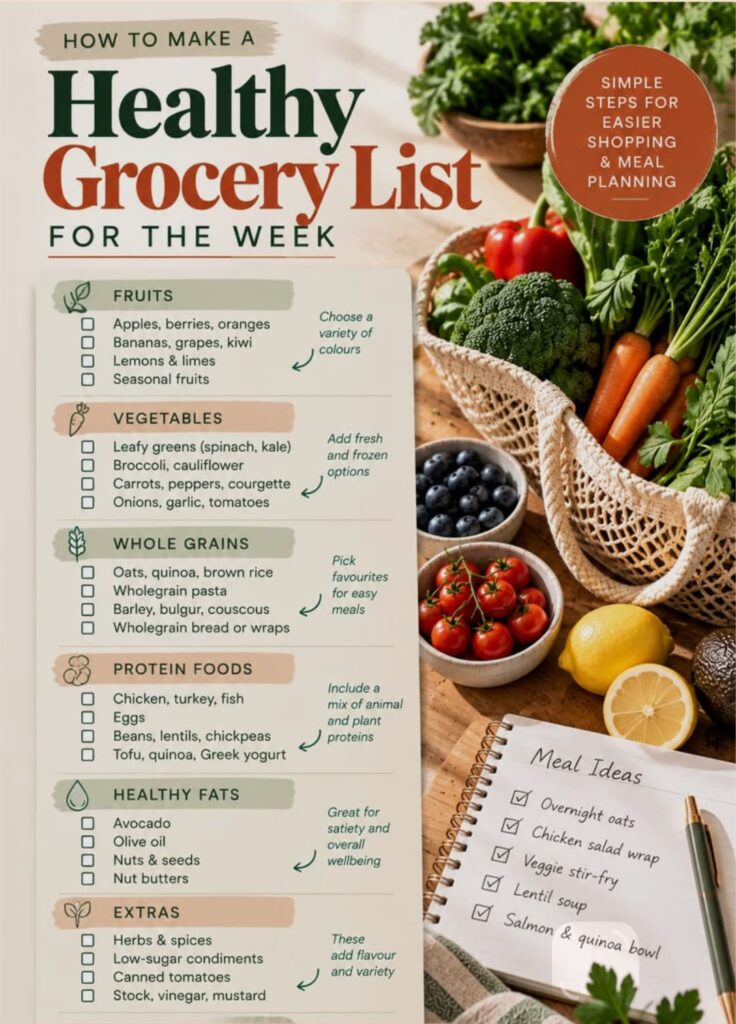
8. Build a Grocery List Around What You Already Have
Before your next shopping trip, check your refrigerator, freezer, and pantry.
Then divide your shopping list into three groups:
Already available: Ingredients you can use without purchasing more.
Need to buy: Items required to complete your planned meals.
Useful backup foods: Convenient ingredients you want to keep available for busy days.
For example, if you already have rice, beans, and frozen vegetables, you may only need a few additional ingredients to prepare several meals.
This makes shopping more focused and can help prevent unnecessary purchases.
For more practical guidance, explore our article on creating a no-stress grocery list.
9. Avoid Turning Leftover Planning Into Another Chore
Meal planning should make daily life easier, not create additional pressure.
You do not need to save every small amount of food, prepare elaborate leftover recipes, or force yourself to eat something you no longer want.
Instead:
- Reuse ingredients when it is practical.
- Freeze suitable portions when you cannot use them soon.
- Keep simple backup meals available.
- Discard food when its safety is uncertain.
- Change your plan when your schedule or appetite changes.
A flexible system is more useful than a strict routine that becomes difficult to maintain.
A Simple 10-Minute Leftover Planning Routine
Try this short routine before your next grocery shop.
Minutes 1–3: Check your kitchen.
Look through your refrigerator, freezer, and pantry. Identify ingredients and leftovers that need attention.
Minutes 4–5: Choose possible meals.
Write down two or three meals that could use those ingredients.
Minutes 6–8: Identify missing items.
Add only the ingredients needed to complete your meal ideas.
Minutes 9–10: Check storage and safety.
Make sure food is stored correctly, labeled, and used within recommended time limits. Discard anything that may be unsafe.
You now have a simple plan that starts with what you already own.
Frequently Asked Questions
How can I use leftovers without eating the same meal again?
Use individual ingredients in different dishes. For example, cooked chicken can become a sandwich filling, while cooked rice can be used in a vegetable rice bowl.
How long can I keep leftovers in the refrigerator?
USDA guidance recommends using most refrigerated cooked leftovers within three to four days when stored correctly. Follow specific storage guidance for individual foods.
Can I freeze cooked leftovers?
Many cooked foods can be frozen in suitable containers. Divide them into practical portions, label them, and follow appropriate freezing and thawing guidance.
Is it safe to eat leftovers that smell normal?
Not necessarily. Harmful bacteria may not change the food’s smell, appearance, or taste. Follow safe storage times and temperature guidance rather than relying on your senses.
How can leftovers help reduce grocery expenses?
Using ingredients you already have may reduce duplicate purchases and help you plan meals around existing food. Actual savings depend on your shopping habits, local prices, and household needs.
What should I do if I have too many leftovers?
Freeze suitable portions promptly if they can be safely frozen, share food where appropriate, or adjust future meal quantities. Do not keep food longer than recommended just to avoid waste.
The Bottom Line
Leftovers can become a useful part of a simple meal-planning routine.
Plan to reuse ingredients, organize your refrigerator, keep a short list of flexible meal ideas, and follow safe storage and reheating practices.
You do not need to transform every leftover into a new recipe. Sometimes, the easiest solution is simply to use what you already have.
Start today: Check your refrigerator, identify one safely stored ingredient, and think of one simple meal you can make with it.
Editorial note: This article provides general information about meal planning, food storage, and everyday eating. It is not individualized medical, nutrition, or food-safety advice. Follow official food-safety guidance and consult a qualified professional when specific advice is needed.